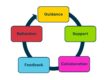


Positive Behaviour Support (PBS) is widely recognised across the UK as a best-practice framework for supporting individuals who are vulnerable to presenting with behaviours of concern. PBS is underpinned by evidence-based practice, person-centred planning, behavioural science and a commitment to upholding human rights. Importantly, PBS is not solely a set of intervention techniques; it is a values-based approach that promotes dignity, choice, and quality of life.
For support organisations, embedding PBS is an ethical responsibility and is increasingly becoming a regulatory requirement. However, it’s not a simple task and it’ s not as easy as just employing a PBS Practitioner.
Below are five strategic priorities that leaders must address to embed PBS effectively and sustainably.
- Establish a Clear Organisational Vision and Values Framework which is consistent with PBS
Effective PBS implementation begins with leadership commitment and governance structures that align organisational strategy with PBS principles.
- Develop a formal PBS policy that sets out organisational values, guiding principles, and expected practice standards.
- Align this framework with national guidance (e.g., NICE QS101; CQC’s Right Support, Right Care, Right Culture).
- Ensure PBS principles are embedded into recruitment, induction, and appraisal processes to create consistency across the workforce.
- Clearly articulate to your teams that PBS as a human rights-driven approach that underpins safeguarding responsibilities.
Embedding PBS at the strategic level creates a culture where positive, proactive approaches are not optional but embedded within the organisation’s ethos and regulatory compliance structures.
- Invest in Workforce Development and Professional Competence
A workforce that understands the values, methods, and evidence base of PBS is crucial for safe and consistent implementation.
- Deliver tiered training: awareness for all staff; practice leadership for those delivering leading services; and advanced training for clinical or specialist staff.
- Provide ongoing supervision, coaching, and reflective practice opportunities.
- Establish PBS practice leaders within teams to model best practice, support colleagues, and maintain momentum.
- Incorporate PBS competencies into Continuing Professional Development (CPD) frameworks and professional revalidation processes.
This approach ensures staff are not only trained once but supported to apply PBS confidently and consistently in practice.
You can review our range of PBS training workshops and programmes for your team.
- Embed Robust Data-Driven Systems for Monitoring and Accountability
PBS is an evidence-based model, and data collection is essential to ensure interventions are effective, proportionate, and accountable.
- Standardise recording and monitoring of behaviours of concern and restrictive practices
- Track quality of life indicators (engagement, and social participation) to avoid focusing solely on the absence or reduction of behaviours of concern.
- Use aggregated data at organisational level to drive service improvement, inform audits, and report to commissioners and regulators.
- Establish a PBS Steering Group or Governance Board to oversee implementation, review outcomes, and ensure accountability against national standards.
Embedding data-driven processes aligns with CQC requirements for continuous improvement and demonstrates compliance with the Health and Social Care Act (2008).
We have a PBS expert designed software system for supporting all of the above. Read more about PBS Champion Software
- Prioritise Person-Centred and Rights-Based Planning
Central to PBS is the principle that behaviours of concern serve a function, they meet a need for the person that isn’t being met. Care must therefore be proactive, personalised, and respectful of individual rights.
- Co-produce support plans with the individual, their families, and advocates, in line with the Care Act (2014) emphasis on choice and control.
- Ensure organisational policies explicitly commit to reducing restrictive practices, in line with the Mental Capacity Act (2005) and Human Rights Act (1998).
- Conduct regular reviews of support plans to ensure they remain relevant, rights-focused, and responsive to changing needs.
- Undertake person specific assessments to understand the person, their needs, the causes of behaviours to inform tailored interventions.
This approach ensures PBS is not reduced to the management of behaviour when it is occurring, but is instead embedded within holistic, person-centred planning which improves the quality of people’s lives and opportunities.
- Foster a Culture of Reflection, Learning, and Continuous Improvement
PBS must be understood as an organisational journey, not a one-off initiative. Continuous improvement is essential to ensure PBS remains effective and sustainable.
- Implement structured opportunities for reflective practice, such as debriefs following incidents and facilitated learning groups.
- Incorporate PBS outcomes into quality assurance frameworks and internal audits.
- Share learning from practice and research, ensuring that policies and training evolve in line with emerging evidence.
- Recognise and celebrate staff achievements in implementing PBS to strengthen motivation and retention.
A learning culture ensures that PBS becomes embedded at all levels, supporting long-term change and resilience within the organisation.
Conclusion
Embedding Positive Behaviour Support across care organisations is not optional—it is a requirement aligned with NICE guidance, CQC regulatory frameworks, and Restraint Reduction Network Standards. More importantly, it reflects a commitment to delivering care that is ethical, evidence-based, and grounded in respect for human rights.
By focusing on the five strategic priorities—organisational vision, workforce competence, data-driven accountability, person-centred planning, and reflective learning—organisations can deliver PBS in a way that improves quality of life, reduces reliance on restrictive practices, and ensures compliance with national policy.
PBS is not simply an intervention; it is a cultural shift. When embedded across governance, workforce, and practice, it transforms not only behaviour but the very fabric of care provision, ensuring services are safe, rights-based, and fit for the future.
If you would like support to review your service and develop a clear action plan for implementing the strategies above get in touch at info@redstonepbs.co.uk to discuss our PBS Development Day.
Author

Kate Strutt – Director of Redstone PBS and Clinical Psychologist.
Kate has over 20 years’ experience of working with adults and children with intellectual disabilities and those who are autistic, both within statutory services and the independent sector. Kate is registered with the Health and Care Professions Council. Bsc Psychology, D.Clin Psyc, MSc Applied Behaviour Analysis.