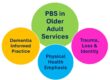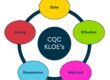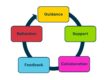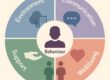

 Essential elements of PBS are focussed support, skill-building strategies and environmental adaptations. However, one foundational element is sometimes overlooked: TRUST. Trust is essential for establishing meaningful positive relationships and interactions, which are a key part of the capable environments framework. You can find a free video about capable environments here on our e-learning site.
Think about people you trust and people you don’t, for whatever reason. Then think about having to accept essential support from them on a daily basis. If you don’t trust them, it doesn’t feel great, does it? What if you have experienced some sort of trauma in the past and/or you have significant communication needs. When we put ourselves in this position it’s easy to see how behaviours of concern can develop and potentially escalate.
In this blog, we will explore the critical role of trust in PBS, practical strategies for cultivating trust in practice, why it’s essential to developing positive relationships and how it supports effective PBS practice.
Understanding Trust in the Context of PBS
Trust is the belief that another person will act in a predictable, reliable, and supportive manner. In the context of PBS, trust goes beyond simple reliability—it is the foundation of rapport, communication, and collaboration between those providing support and people receiving support. When trust exists, people are more willing to engage in with the person, communicate openly, engage in new activities and practice new skills without fear of judgment or negative consequences.
Without trust, even the most well-designed PBS plans may fail. A person who experiences support staff as judgmental, inconsistent, or unresponsive is unlikely to engage in new activities and environments or engage with the staff support at all, and they are likely to become isolated with no one to talk to and nothing to do. Which makes the person more vulnerable to presenting with behaviours of concern. Trust is an essential component of effective PBS and effective support.
Why Trust Matters in PBS
Trust supports a number of different areas which are important in PBS and support settings. 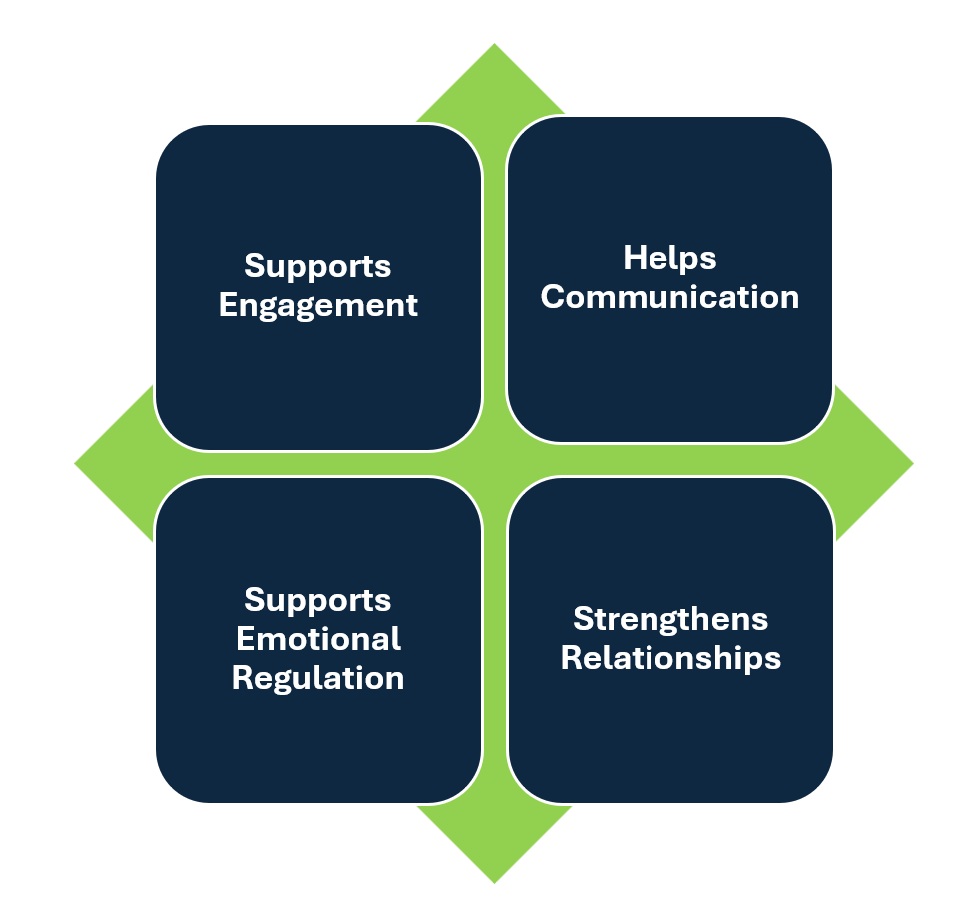
Engagement
For people who require support to participate in a range of everyday, leisure and work-related activities positive engagement with someone else is key. Trust means the person will feel safe to try something new or something which initially feels difficult.
Communication
Being able to communicate with someone who you are supporting or being supported by is essential. So, if the person has the words and knows why they are struggling, but doesn’t trust those who support them, that information remains unsaid and the issue unsolved. Similarly, using a system of augmentative communication requires both knowledge, effort and trust for it to be used effectively. Problem solving if things get confusing won’t happen without trust.
Emotional Regulation
Trusting relationships provide a secure base for support staff to model and support the management of difficult feelings such as frustration or disappointment. These are often difficult areas to develop skills in, and they cannot be taught and supported if trust isn’t present.
Relationships
The success of PBS often hinges on the quality of the relationship between those supporting and people supported. Trust nurtures empathy, mutual respect, and collaboration. A relationship is two way, with people supporting bringing as much to the table as those providing support; presenting opportunities for learning on both sides.
Building Trust in PBS: Practical Strategies
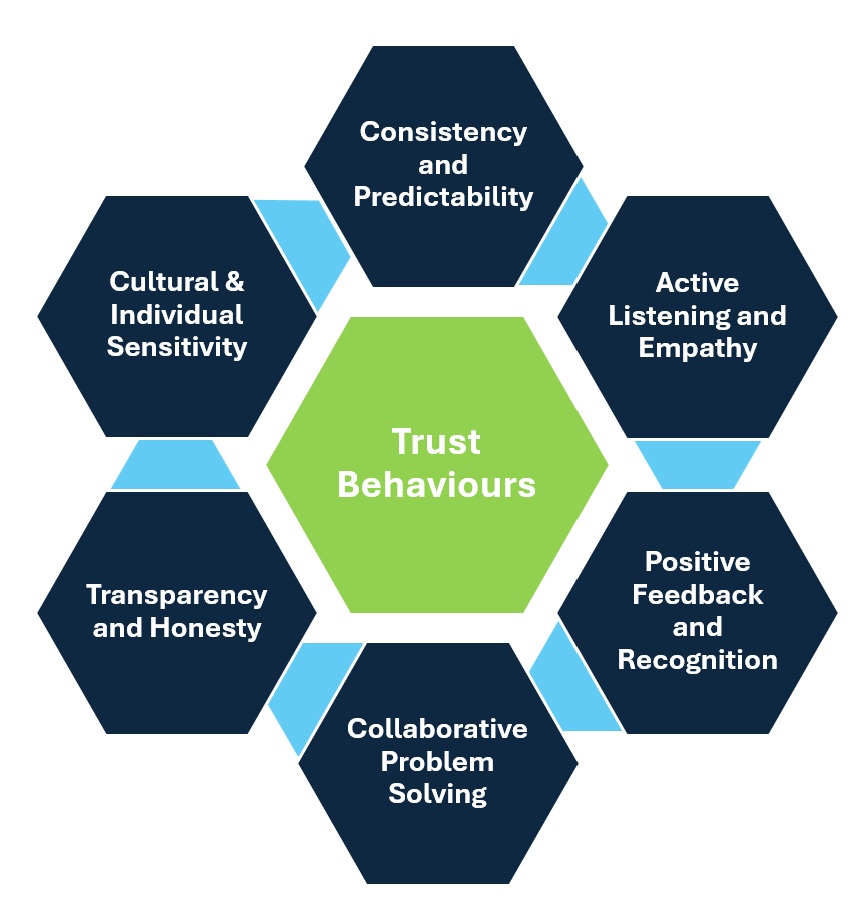
Developing trust is intentional and requires consistent effort. In family, social or work relationships, we do many of the behaviours below, naturally, without thinking, often when those relationships go well and are positive. Within a support context we need to focus on breaking down these specific behaviours, so that we can ensure they are happening.
The following strategies can be integrated into support practices to strengthen relationships and enhance outcomes:
Consistency and Predictability
Reliability is a cornerstone of trust. Maintaining consistent routines, expectations, and responses for the person helps them know what to expect from you.
Active Listening and Empathy
Active listening and engagement demonstrate to people that their thoughts and feelings are valued. By listening actively, paraphrasing concerns, and validating emotions, support staff build rapport and create a safe space. Empathy shows a genuinely responsive to the person’s experiences.
Positive Feedback and Recognition
Trust grows when people see that their efforts are responded to positively. Positive feedback and recognition of progress all signal that support staff notice and care about the persons’ successes. This strengthens the relational bond and helps to continue engagement.
Collaborative Problem-Solving
Including people in decision-making and planning fosters a sense of ownership and empowerment. Collaborative approaches demonstrate respect for the person’s perspective and build trust through shared responsibility.
Transparency and Honesty
Support staff should communicate clearly about plans, expectations and goals. This fosters trust by ensuring individuals understand what’s going to happen next.
Cultural Sensitivity and Individualisation
Recognising and respecting cultural, personal, and contextual differences is critical to building trust. Tailoring support to the person’s background, values, and preferences communicates respect and demonstrates that support is person-centered rather than one-size-fits-all.
Making Sure support teams have the right values and are thinking about all the ways in which they can build trust with the people they support is essential, to support with this in your organisation check out our e-learning PBS Awareness and our Introduction to Positive Behaviour Support workshop.
Challenges in Building Trust
Building trust is not always straightforward. We might face challenges such as:
Past Negative Experiences: Individuals with prior trauma or negative experiences with previous support staff may be initially wary of support. In this situation support staff may need to take things very slowly and build trust gradually.
Inconsistent Environments: Frequent changes in staff or routines can undermine trust.
Time Constraints: Developing trust requires time and patience, which may be limited in busy settings.
Addressing these challenges requires intentionality, consistency, and ongoing reflection on practice. Even small, consistent actions can gradually build strong trust-based relationships.
Conclusion
Trust is the cornerstone of effective Positive Behavior Support. It strengthens relationships, facilitates engagement, enhances communication, supports emotional regulation, and ensures that PBS strategies are meaningful and sustainable. Support staff who prioritise building trust create environments where people feel safe, valued, and empowered. Incorporating trust-building strategies—such as consistency, empathy, positive reinforcement, collaboration, transparency, and cultural sensitivity—into PBS practice is not an optional add-on; it is essential for success.
Practice Tip: If you work with or manage a support team, share this blog or talk it through with them and see if any of the strategies discussed above would fit for them, the people they support and your service. You might want to discuss what each of the areas looks like for a specific person the team supports.
Author

Kate Strutt – Director of Redstone PBS and Clinical Psychologist.
Kate has over 25 years experience of working with adults and children with intellectual disabilities and those who are autistic, both within statutory services and the independent sector. Kate is registered with the Health and Care Professions Council. Bsc Psychology, D.Clin Psyc, MSc Applied Behaviour Analysis.